
Struggling With Astigmatism? How Specialty Contact Lenses Can Improve Your Vision in Chicago
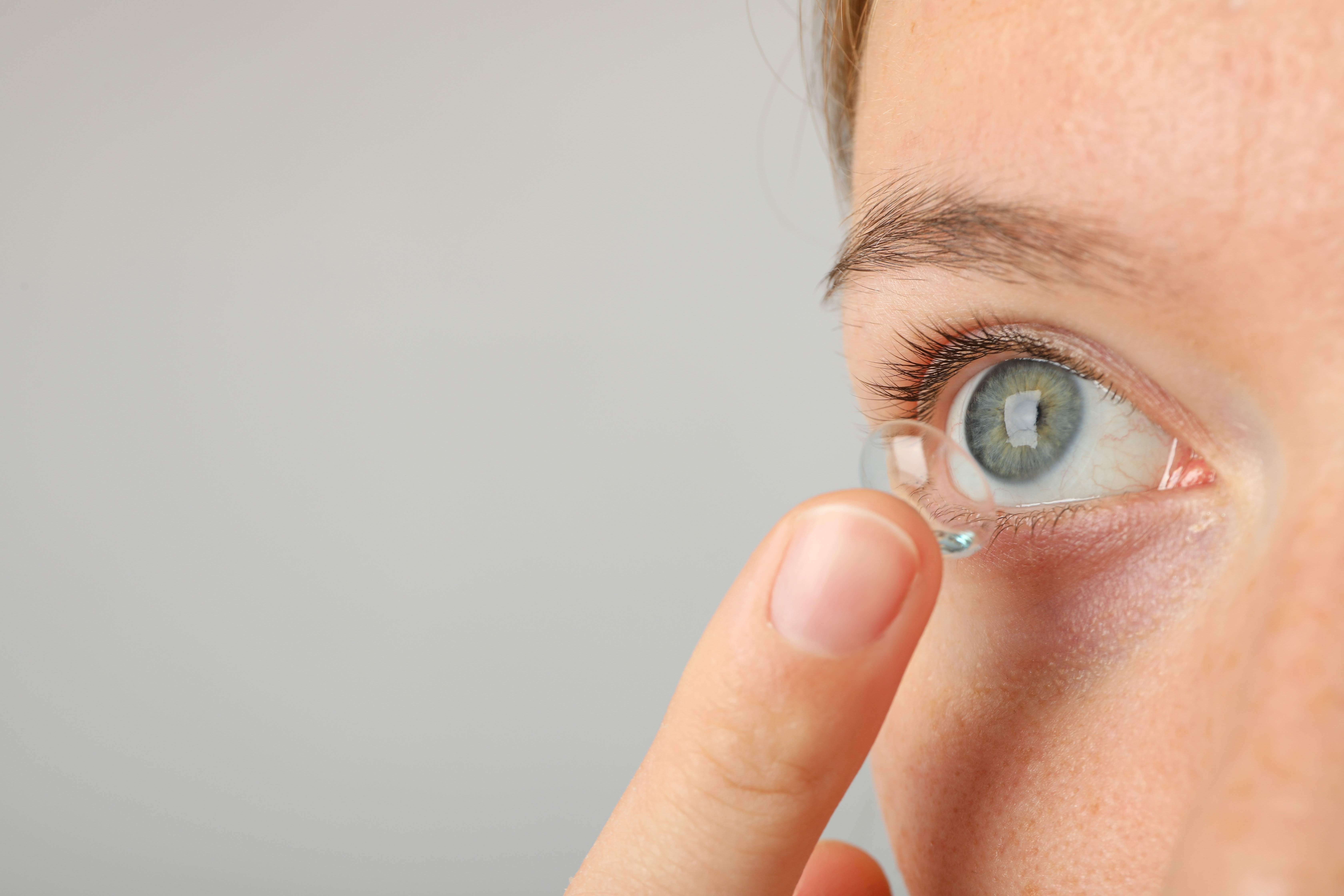
If you have astigmatism, you may notice blurry vision, difficulty focusing, or discomfort with traditional contact lenses. While glasses can help correct astigmatism, many people prefer the convenience of contact lenses. Fortunately, having astigmatism does not mean you have to give up on wearing contacts.
At Pilsen Eye Care in Chicago, we offer specialty contact lens fittings to help patients with different vision needs achieve clearer, more comfortable sight. Whether you have mild astigmatism or a more complex prescription, finding the right lenses can make a difference.
How Does Astigmatism Affect Your Vision?
Astigmatism occurs when the cornea or lens inside the eye has an irregular curvature, causing light to focus unevenly on the retina. This can lead to blurry or distorted vision at both near and far distances.
For some patients, standard contact lenses may not provide the sharpness or stability they need. Lenses that shift or rotate can cause fluctuations in vision, especially when correcting astigmatism.
What Types of Contact Lenses Work Best for Astigmatism?
Different types of contact lenses can help correct astigmatism depending on its severity, the shape of your cornea, and your individual vision needs.
Toric Contact Lenses: Designed specifically for astigmatism, toric lenses have different focusing powers in different meridians. They are designed to maintain a consistent orientation on the eye, helping provide clearer vision.
Rigid Gas Permeable (RGP) Lenses: These lenses maintain their shape on the eye, creating a smooth optical surface that can improve vision for some patients with astigmatism, particularly those with irregular corneas.
Scleral Contact Lenses: Larger than traditional contacts, scleral lenses rest on the white part of the eye and vault over the cornea. They may be particularly beneficial for patients with irregular astigmatism, keratoconus, or difficulty wearing conventional lenses.
Hybrid Contact Lenses: Combining a rigid center with a soft outer edge, hybrid lenses can provide the visual clarity of gas permeable lenses with the comfort of a soft lens design.
Signs You May Benefit From Specialty Contact Lenses
If you have astigmatism and struggle with regular contacts, specialty lenses may be worth considering. Common signs include:
• Blurry or fluctuating vision while wearing traditional contact lenses
• Frequent lens movement or difficulty maintaining clear focus
• Discomfort or dryness when wearing standard contacts
• Difficulty achieving sharp vision with your current prescription
• Irregular corneal conditions that make conventional contacts difficult to fit
If these issues sound familiar, a specialty contact lens evaluation can help determine whether a different lens design may improve your vision and comfort.
Why a Proper Contact Lens Fitting Matters
Not all astigmatism prescriptions require specialty lenses, and the right option depends on your eyes. A comprehensive contact lens fitting allows us to evaluate your prescription, corneal shape, tear film, and overall eye health.
At Pilsen Eye Care, we take a personalized approach to contact lens fittings in Chicago. We assess how lenses fit, how well they correct your vision, and whether adjustments are needed. Follow-up visits also help us evaluate comfort and visual clarity as you adapt to your lenses.
If astigmatism is making it difficult to enjoy clear, comfortable vision, let us help you explore your options. Schedule a specialty contact lens consultation with Pilsen Eye Care to discover a better fit for your eyes. Visit our office in Chicago, IL, or call (773) 257-0355 to book an appointment today.
Helpful Articles

All Eye Care Services
Find personalized eye care excellence with our comprehensive services. From eye exams to advanced diagnostics, trust us for all your vision needs.
Keep In Touch
For non-urgent questions or to learn more about our services, contact us today!
© 2026 Pilsen Eye Care. All rights Reserved - Accessibility Statement - Privacy Policy - Sitemap
Managed and Designed by 